 GOAT TATTOO
Vietnam or India: Where Should You Get Tattooed?
Published September 23, 2026
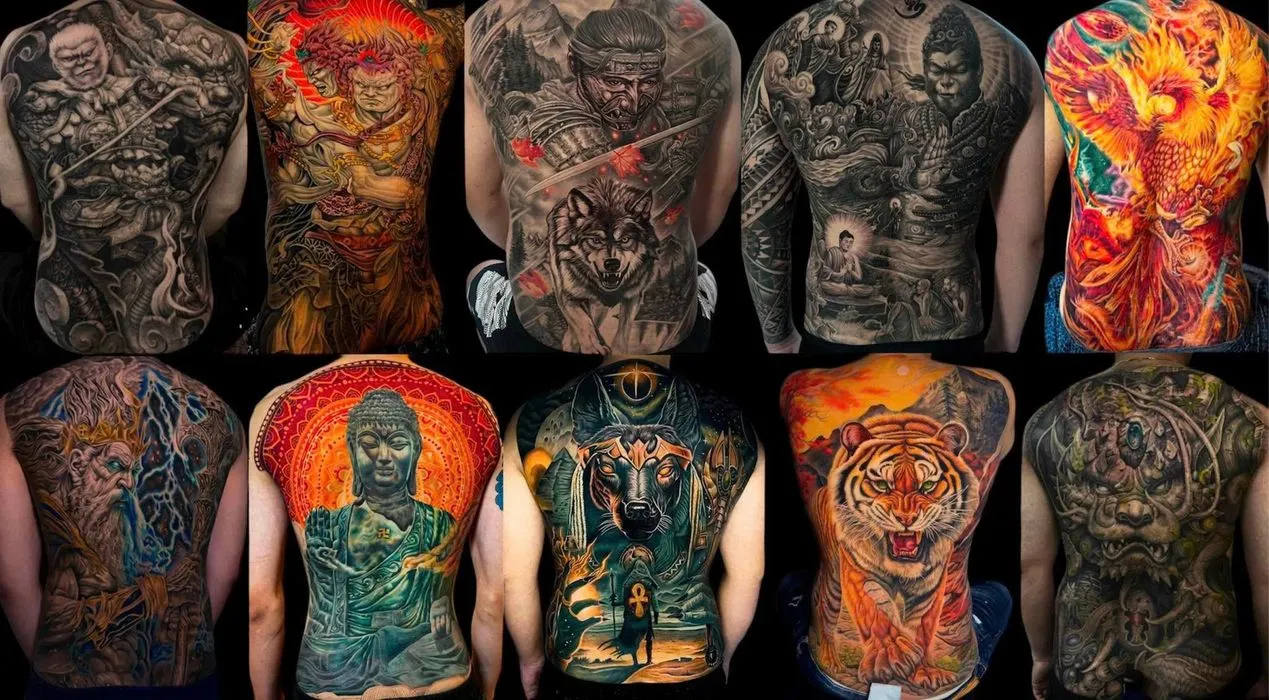
Indian tourist numbers to Vietnam have been climbing fast, and plenty of trips now combine both countries — so this is a genuinely fair question, not a hypothetical one. The real answer isn’t “one country is better,” it’s that they’re not always offering the same thing.
The one genuinely unique tradition India offers
Godna — a centuries-old hand-tattooing tradition practiced by tribal communities across northern and central India, including the Baiga, Gond, and Santhal peoples. Traditionally applied by women within the community rather than in a studio, Godna marks life stages — a girl’s first tattoo as a child, more added at puberty, marriage, and childbirth — and among some groups carries spiritual meaning tied to identity in the afterlife. This isn’t a “style” you can order at a shop, in India or anywhere else — it’s a living tribal practice, tied to specific communities and passed down through them, not something a tourist studio recreates. If you’re drawn to that history specifically, it’s worth knowing it exists in a very different context than a custom tattoo booking.
For custom Western-style, Japanese-style, fine line, blackwork, or realism work, that’s a separate question — both countries have skilled studios doing all of it well, particularly in India’s larger cities, and which one is “better” comes down to the individual artist, not the country.
What isn’t actually a clear difference
- Price isn’t a clean national gap. India’s tattoo pricing spans from budget rates in tourist-heavy areas to premium custom-studio pricing, the same way Vietnam’s does — there’s no reliable “India is cheaper” or “Vietnam is cheaper” rule once you’re comparing similar quality tiers. Our Vietnam-wide pricing guide covers what to actually expect here.
- Hygiene and safety come down to the individual studio, not the country. This is worth being direct about: enforcement of sterilization and licensing standards isn’t uniformly strict in either country, and tourist-dense areas in both places are exactly where corners are most likely to get cut. The real question to ask isn’t “which country is safer,” it’s “does this specific studio actually use single-use needles and sterile equipment” — our studio hygiene checklist covers what to actually check before sitting down, and it applies just as much in Goa or Delhi as it does in Hanoi.
One cultural point worth knowing if India is part of your trip
Tattoos depicting Hindu deities or sacred symbols like Om are widely considered disrespectful when placed below the waist, in line with broader Hindu tradition around where sacred imagery belongs on the body. It isn’t a legal matter, but it’s a real point of cultural sensitivity rather than a theoretical etiquette note — worth knowing before you sit down if you’re getting deity or Sanskrit imagery done anywhere on your trip, not just in India.
The honest bottom line
If Godna’s history is what draws your interest, that’s a real, distinct tradition worth learning about — but it isn’t something we or most tourist-facing studios in either country recreate, and it shouldn’t be treated as interchangeable with a generic “tribal-style” tattoo. For everything else, the deciding factor really is the individual studio and artist you choose, not which country you’re standing in when you choose them.
What to expect at GOAT Tattoo Studio
If your route brings you through Hanoi, we’re happy to talk through your idea and give you a clear, honest quote regardless of what else is on your itinerary — including if India is also part of the trip. Our studio hygiene checklist is a good starting point for what to check wherever you end up booking.
Related Guides
Ready to book your tattoo in Hanoi?
Send us your idea and preferred dates — we'll reply with a clear quote before you sit in the chair.
Book Now