 GOAT TATTOO
How to Check a Tattoo Studio's Hygiene in Hanoi
Published August 6, 2026
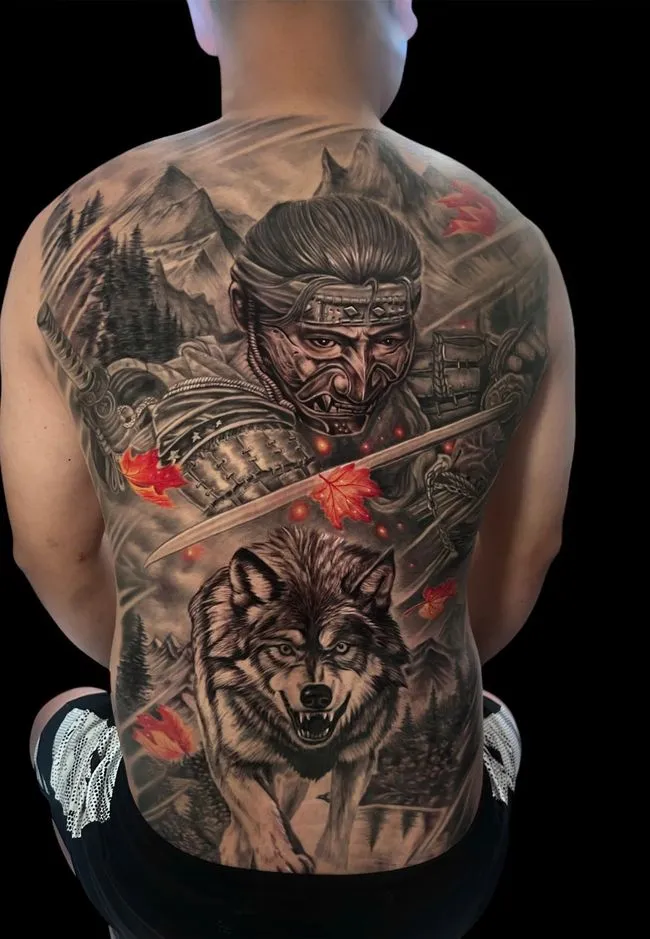
Short answer: yes, it’s generally safe to get a tattoo in Hanoi — the real risk isn’t the city, it’s whether the specific studio you choose actually uses single-use needles, a visible autoclave for sterilization, and fresh gloves for every client. Hanoi’s Old Quarter has one of the highest concentrations of tattoo studios anywhere in Vietnam, and when studios compete hard on price, hygiene is one of the first places corners get cut — quietly, in ways a first-time visitor has no way to spot unless they know what to look for. A tattoo is a wound before it’s healed art, and infection risk is real if equipment isn’t handled properly. Here’s a genuinely useful 2-minute checklist you can run through before you sit down, anywhere, not just at GOAT.
What to look for before you sit down
- A single-use needle, opened from a sealed pack in front of you. This is the single most important thing to verify, and any legitimate studio will do this without hesitation or annoyance at being asked. If the needle is already out of its packaging when you arrive, or the artist seems reluctant to show you the seal, that’s a real problem.
- Fresh gloves put on in front of you, changed if the artist touches anything else (their phone, a doorknob, another surface) mid-session.
- Visible sterilization equipment — an autoclave (a small pressurized sterilizing machine) is standard in any properly equipped studio. You don’t need to understand how it works, just that one exists and is actually in use, not decorative.
- A clean, wiped-down work surface with barrier film or covers on chairs, trays, and equipment that can’t itself be sterilized between clients (light switches, spray bottles, adjustable chair levers).
- Ink poured into small disposable cups, not dipped directly from a shared bottle across multiple clients.
Questions worth asking out loud
You’re not being rude by asking these — a studio that takes hygiene seriously expects and welcomes the question:
- “Can I see the needle package before you open it?”
- “How do you sterilize your equipment between clients?”
- “Do you have any healed work I can see, not just fresh photos?”
That last question matters for a different reason: fresh-ink photos look good on almost anyone. Healed work — skin that’s settled weeks or months later — tells you much more about how clean the actual technique was, since poor technique or unclean equipment often shows up as scarring, patchiness, or excess trauma that only becomes visible once healing is complete.
Red flags that should make you walk away
- Reluctance or visible annoyance when you ask about needles or sterilization.
- An artist who won’t stop mid-conversation to open a needle pack in front of you, insisting it’s “already clean.”
- A workspace that looks cluttered or visibly unclean at a glance — old ink residue, tissues, or debris left from a previous client.
- Pressure to book immediately without a proper consultation, especially paired with an unusually low price for the size and complexity of your design.
Why this matters more in a dense tourist area
A high concentration of studios competing for the same walk-in foot traffic creates real pressure to undercut on price — and hygiene supplies (single-use needles, sterile barriers, professional-grade ink) are a real, ongoing cost that’s easy to quietly skip if no one’s checking. This isn’t unique to Hanoi, but it’s worth being extra deliberate about in any area with dozens of studios within a few minutes’ walk of each other.
What to expect at GOAT Tattoo Studio
Every session at GOAT uses single-use needles opened from a sealed pack in front of you, sterile equipment, and premium inks sourced from trusted international brands, as a strict, no-exceptions hygiene protocol we follow for every client. If you’d like to see examples of healed work before booking, just ask — we’re glad to show you, not just fresh photos taken right after a session.
Related Guides
Ready to book your tattoo in Hanoi?
Send us your idea and preferred dates — we'll reply with a clear quote before you sit in the chair.
Book Now