 GOAT TATTOO
Getting Your Second (or Third) Tattoo: What's Different
Published August 28, 2026
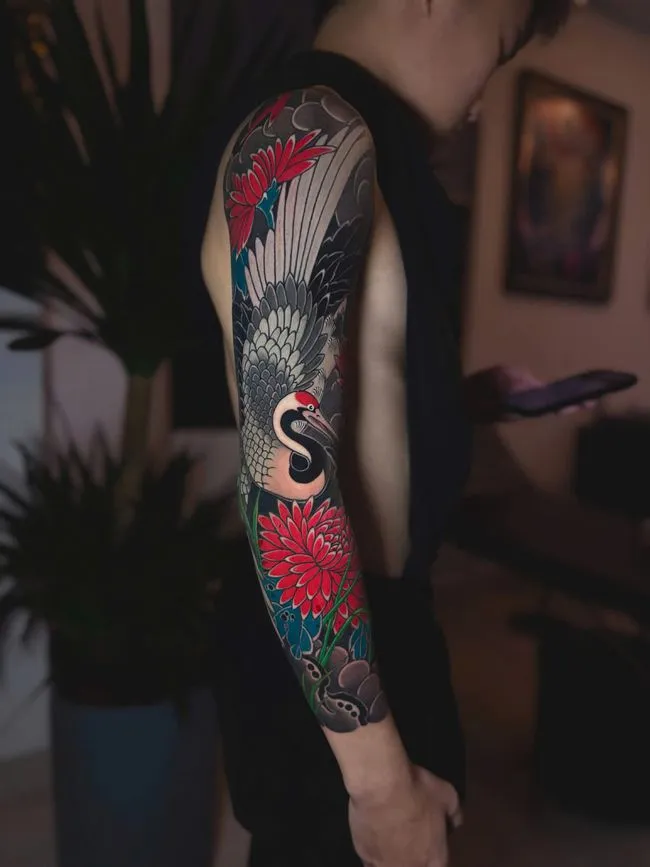
Almost everything written about tattoos is aimed at first-timers — understandably, since that’s the biggest single moment of uncertainty. But the questions that actually matter shift once it’s your second, third, or tenth piece, and there’s surprisingly little written about that stage.
Spacing it out from your last one
There’s no fixed rule requiring you to wait a set amount of time before a completely separate, unrelated tattoo elsewhere on your body, as long as the previous one has fully healed — but “fully healed” is doing real work in that sentence. Getting tattooed again while an older piece is still in its sensitive early weeks isn’t dangerous in the way tattooing directly over unhealed skin would be, but it does mean managing two healing timelines and two aftercare routines at once, which is worth being honest with yourself about before booking back-to-back.
Matching (or deliberately not matching) an existing style
If you’re adding to a body of work rather than starting fresh, it’s worth deciding upfront whether the new piece should feel connected to what you already have or stand entirely on its own. Neither is wrong — plenty of people build a deliberately varied collection across different styles, and plenty of others build toward one cohesive look over time — but naming which one you’re going for helps an artist make composition decisions that either tie the pieces together or intentionally let them breathe as separate statements.
Your pain tolerance calibration is probably wrong now
First-timers often go in with either wildly inflated fear or unrealistic confidence, since they have nothing to compare it to. By your second piece, you actually know your own tolerance — but be careful applying it across placements: pain varies enormously by location, as covered in our placement-by-placement pain comparison, so “my first one wasn’t bad” doesn’t automatically predict how a rib or hand placement will feel.
Working around what you already have
Scars, stretch marks, or the edge of an existing tattoo can all factor into a new piece’s placement or composition — our guide to tattooing over scars covers the specifics, but the general principle is simple: mention anything relevant on the intended placement during your consultation rather than assuming it won’t matter.
Building toward something bigger, one piece at a time
If the long-term plan is a sleeve, a themed collection, or eventually connecting several smaller pieces, it’s worth saying so even while booking something small now — it lets an artist make small compositional choices (spacing, orientation, scale) that leave room for what comes next, instead of accidentally boxing in a future piece.
What to expect at GOAT Tattoo Studio
Tell us where this piece fits into the bigger picture, whether that’s “completely unrelated, just something I want” or “part of something I’m slowly building” — both are completely normal, and knowing which one shapes how we approach the design.
Related Guides
Ready to book your tattoo in Hanoi?
Send us your idea and preferred dates — we'll reply with a clear quote before you sit in the chair.
Book Now