 GOAT TATTOO
Do You Need to Worry About Your Tattoo If You Have Surgery Later?
Published September 22, 2026
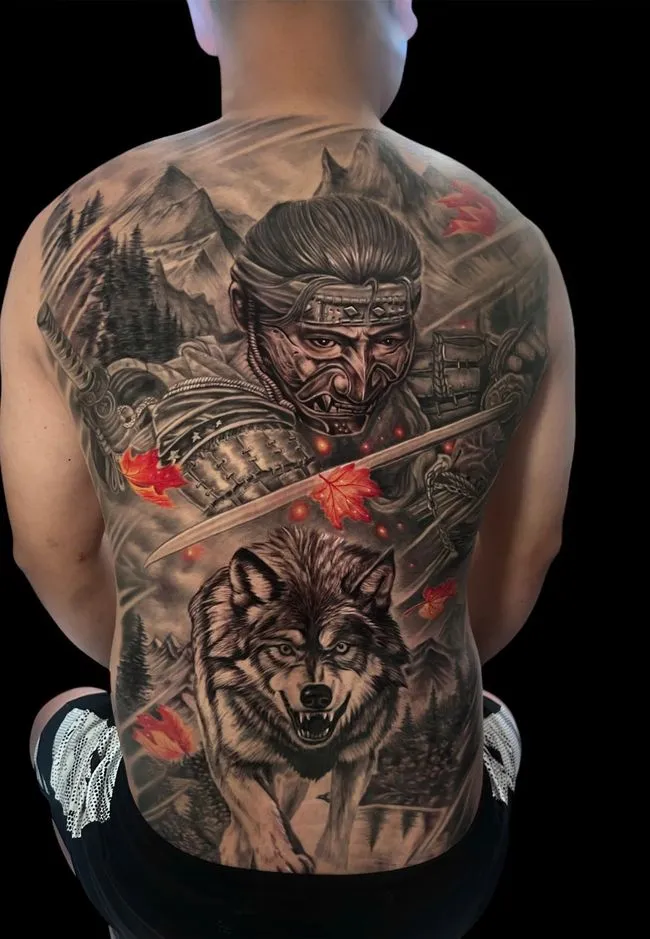
A tattoo and a future surgery are two things almost nobody thinks about together — until an operation is suddenly necessary and the incision happens to fall right through a piece you’ve had for years. It’s a real situation people run into, whether it’s a planned procedure discovered to cross a back piece, or emergency surgery that leaves a scar through skin that was already inked. It’s worth understanding what actually happens and what your real options are, rather than finding out for the first time mid-recovery.
Why this happens at all
Surgeons plan an incision around what the specific procedure requires — the safest, most direct path to the area being operated on — not around where your tattoos happen to be. A tattoo is essentially never a factor in that decision, and it shouldn’t be: an incision placed for a tattoo’s sake instead of the medically correct path would be a genuinely bad tradeoff. If a necessary incision crosses your ink, that’s simply where the surgery needed to go.
What actually happens to the tattoo
The ink on either side of an incision stays where it is — surgery doesn’t erase a tattoo. What changes is the scar line itself: skin that’s cut and stitched heals as scar tissue, which typically doesn’t hold pigment the way normal skin does, so the tattoo’s design is permanently interrupted at that line once everything’s healed. This isn’t a temporary healing-phase effect that fades back to normal — it’s a lasting, visible change to that specific strip of skin, even though the surrounding tattoo is otherwise intact.
What’s realistically possible afterward
Once a surgical scar is fully healed — the same 12-to-18-month window that applies to tattooing over any scar — a skilled artist can often work with it rather than around it. Depending on the scar’s width, texture, and location, a redesign can incorporate the line into the piece, extend the surrounding art to disguise it, or rework the whole area the way any touch-up or cover-up situation is approached. It’s rarely a perfect, invisible fix, but it’s also rarely a total loss — most scars can be worked with meaningfully once they’ve finished healing.
Worth asking ahead of a planned surgery, if there’s time
For a non-emergency procedure booked in advance, it costs nothing to raise it directly with your surgeon: ask whether the exact incision placement has any flexibility for this specific operation, and mention your tattoo during the pre-op conversation so it’s factored in rather than a surprise. Set expectations honestly, though — sometimes there’s genuinely no flexibility in where a safe, effective incision can go, and that’s the correct priority. A surgeon optimizing for your tattoo over the procedure’s safety would be the wrong call, not a favor.
A reasonable way to think about it
A necessary surgery should never be delayed or complicated by worry over how it affects a tattoo — your health comes first, and a tattoo is genuinely one of the more fixable things involved. If you end up with a scar running through existing work, treat it the same way you would any other significant change to a piece: something to eventually rework with an artist, not something to carry alone.
What to expect at GOAT Tattoo Studio
If a surgical scar has changed a tattoo you already have — whether it’s ours or done elsewhere — bring it to a consultation once it’s fully healed and we’ll give you an honest read on what’s realistically achievable, whether that’s a redesign, an extension, or leaving it as is if that’s genuinely the better call.
Related Guides
Ready to book your tattoo in Hanoi?
Send us your idea and preferred dates — we'll reply with a clear quote before you sit in the chair.
Book Now