 GOAT TATTOO
Sketch-Style Tattoos: What to Actually Look For
Published August 30, 2026
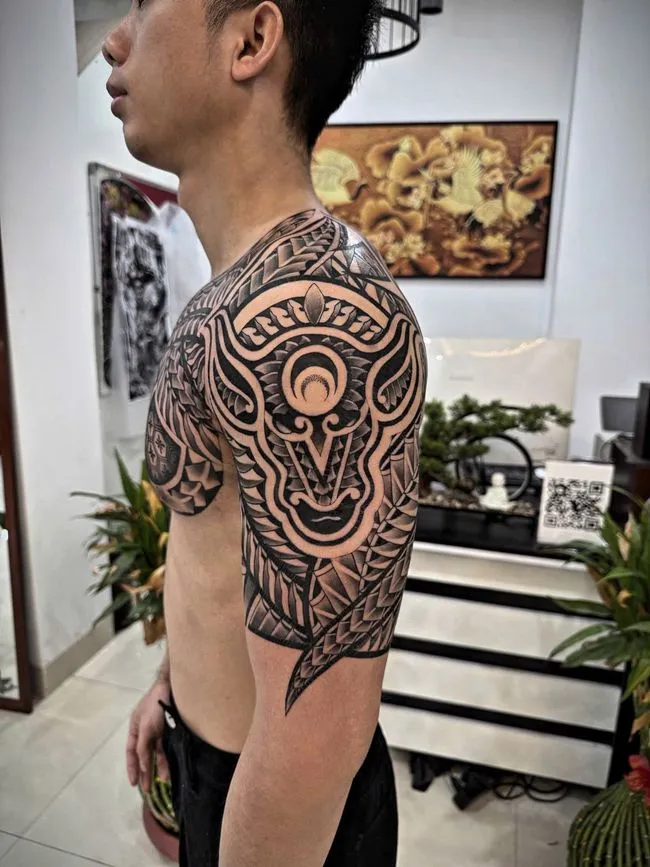
Sketch-style tattoos deliberately imitate the look of an unfinished pencil or charcoal drawing — loose, broken linework, visible “construction lines,” cross-hatching left intentionally rough, and edges that fade out instead of closing cleanly. It’s a genuinely different goal from most other styles, which aim to look finished and deliberate; sketch style aims to look like a draft, and that’s precisely what makes it harder to execute well than it looks.
Why “deliberately messy” is actually a harder technical problem
The core challenge is that every loose line and rough edge still has to be placed with real intention, even though the finished result should look casual or incomplete. A genuinely skilled sketch-style piece has controlled chaos — the linework looks spontaneous but actually guides the eye and holds the composition together, the same way a skilled illustrator’s rough sketch is more deliberate than it appears. Weak sketch-style work is the opposite: linework that’s genuinely careless rather than intentionally loose, which reads as an unfinished tattoo rather than a finished tattoo styled to look unfinished — a distinction that matters enormously even though the visual difference can be subtle to an untrained eye.
How it actually differs from fine-line and realism
Our fine-line guide covers a style built on precise, continuous, clean linework — sketch style is close to the opposite approach technically, using broken and varied line weight on purpose. It also overlaps with black-grey realism in subject matter (portraits, animals, botanical pieces) but diverges sharply in execution — realism aims for smooth tonal transitions and finished shading, while sketch style keeps visible cross-hatching and construction marks that a realism piece would smooth away.
What actually separates strong sketch-style work from sloppy linework
- Look for intentional “construction lines” — the loose guide-marks that a real sketch would have — placed with visible purpose rather than looking like genuine mistakes or shaky hands.
- Check that the loose edges still define the subject clearly. Even at a glance, a strong sketch-style piece should read clearly as its subject; if the looseness makes the image genuinely hard to identify, that’s a sign of weak execution rather than intentional style.
- Ask to see healed examples specifically. Because this style relies on fine, varied linework, ask how it holds up over time — thin, loose lines can fade unevenly compared to bold, uniform work, and a portfolio of only fresh photos won’t show you that.
What to expect at GOAT Tattoo Studio
Browse our fine-line gallery and black & grey realism gallery for examples of the precise linework and tonal control that a strong sketch-style piece is actually built on, even while aiming for a looser final look — we’ll talk through subject matter and how much “unfinished” look you actually want at your consultation.
Related Guides
Ready to book your tattoo in Hanoi?
Send us your idea and preferred dates — we'll reply with a clear quote before you sit in the chair.
Book Now