 GOAT TATTOO
Swallow Tattoo Meaning: The Real Sailor Tradition Behind It
Published October 16, 2026
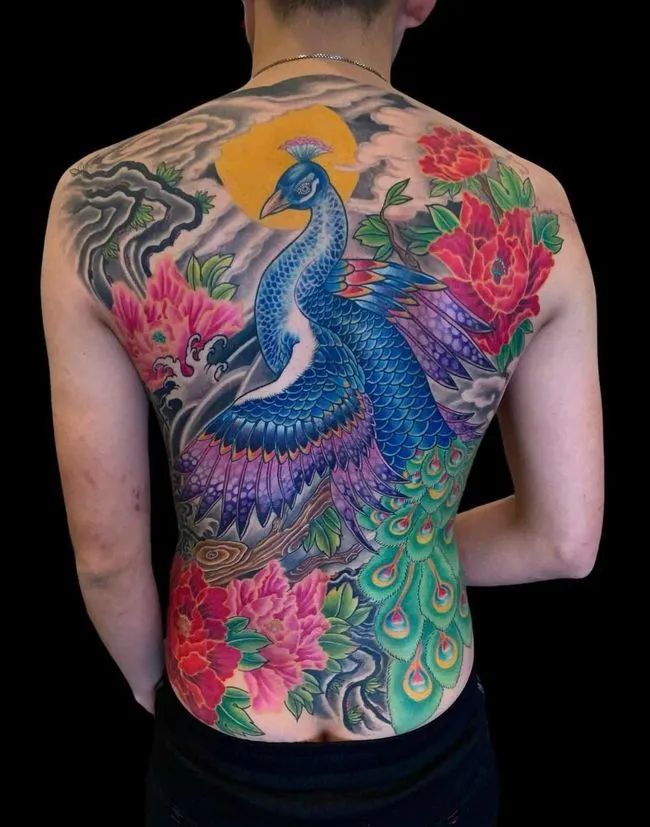
The swallow gets treated as a decorative rockabilly throwback more often than not, but it traces back to a genuinely documented sailor tradition, plus a separate and older household tradition from China — both worth knowing before you pick the design for the look alone.
The sailor tradition: marking 5,000 nautical miles and a safe return home
Historically, sailors tattooed a swallow after logging roughly 5,000 nautical miles at sea, with a second swallow marking another 5,000 — a mark of experience and distance traveled that became part of 19th- and 20th-century naval and merchant-sailor tattoo tradition. Swallows were also read by sailors as a practical sign that land was close, since the birds don’t range far from shore, which is how the design picked up its “safe return home” meaning — grounded in an actual observation, not just superstition. The motif became a defining image of American Traditional tattooing in the 20th century, popularized by artists like Norman “Sailor Jerry” Collins, and found a second life during the rockabilly and psychobilly revival from the 1950s onward. Worth being honest about: the precise “exactly 5,000 miles per bird” framing is trade tradition passed down through tattoo culture, not a single strictly documented rule every sailor followed.
China’s older reading: a bird that reliably comes home
Separate from the maritime story, the swallow (燕, yàn) carries real meaning in Chinese folk tradition, tied to its genuine habit of returning each spring to rebuild its nest under the eaves of the same house. A swallow nesting at your home was traditionally taken as a sign of good fortune and a stable household, and the bird’s yearly return became tied to the arrival of spring itself. It’s a different cultural root from the sailor story, but arrives at a related idea from its own direction: loyalty to a place, and reliably returning to it.
The real biology behind both traditions
Both readings draw on something genuinely true about the bird: barn swallows are strongly migratory and well documented for their homing behavior, returning to the same nesting site year after year across migrations that can span thousands of kilometers between breeding and wintering grounds. That documented trait is the real thread connecting the Western sailor’s “distance traveled, safe return” meaning and the Chinese household’s “a bird that comes back every spring” meaning — two distinct cultural traditions independently noticing the same real behavior.
What actually matters when choosing
If the maritime “miles traveled, safe return” meaning is what draws you, it’s worth knowing you’re drawing specifically on American Traditional tattoo history rather than any single ancient source. If the household and springtime reading speaks to you more, that’s a genuinely distinct, older cultural thread worth naming on its own rather than folding into the sailor story. Either way, a pair of swallows — rather than a single bird — is the more traditional composition if the Western sailor history is specifically what you want the piece to reference.
What to expect at GOAT Tattoo Studio
We’re happy to talk through which tradition and meaning you’re actually drawing on at your consultation — our guide to nautical star tattoo meaning covers another sailor-tradition symbol that pairs naturally with a swallow.
Related Guides
Ready to book your tattoo in Hanoi?
Send us your idea and preferred dates — we'll reply with a clear quote before you sit in the chair.
Book Now