 GOAT TATTOO
How Long to Leave Second Skin on a New Tattoo
Published September 25, 2026
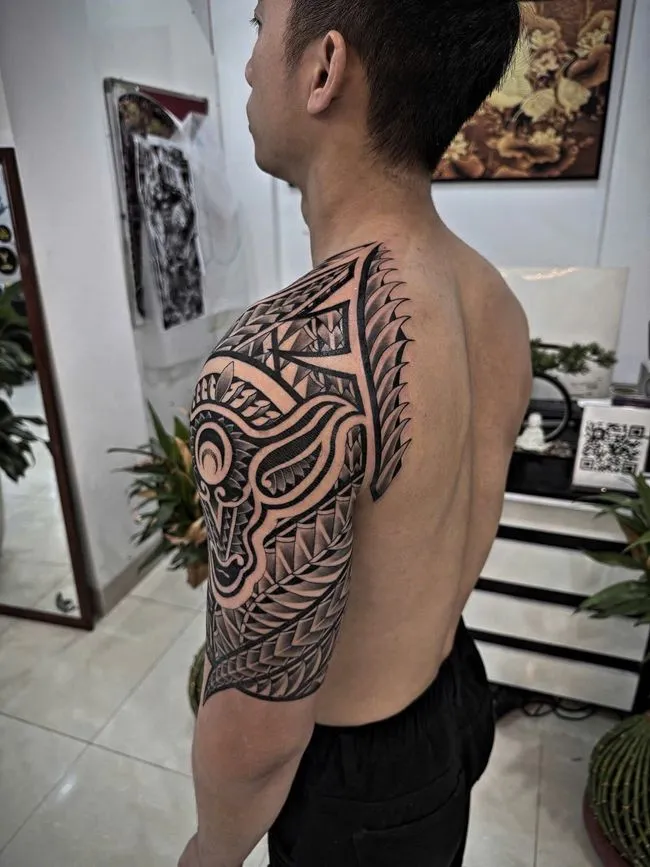
The clear, adhesive film bandage a lot of studios apply right after finishing — often called “second skin” regardless of the specific brand — is genuinely different from a simple gauze wrap, and it has its own real rules about how long it should stay on and how to take it off without undoing good work.
What it’s actually doing
Second skin is a thin, waterproof, semi-permeable adhesive film that seals the fresh tattoo off from outside bacteria and physical contact while still letting a small amount of air exchange happen underneath. That combination is exactly what you want in the first few days: protection from friction, clothing, and germs, without trapping the wound in a fully airless environment. It’s a genuinely different job than an ointment or lotion is doing later in healing — this stage is about creating a clean, undisturbed barrier while the skin is at its most vulnerable.
How long it should actually stay on
Most first applications are designed to stay on for three to six days, though the exact number depends on the specific product your studio uses and how your particular tattoo is doing underneath — this is genuinely one of those “ask your artist for your specific situation” details rather than a single universal number. The film is meant to stay in place for that whole stretch, including through showering; it’s waterproof by design. Constantly peeking, repositioning, or removing it early to “check on things” does more harm than good — it introduces exactly the friction and contamination risk the film is there to prevent.
The fluid underneath is usually normal — here’s how to tell
This is the part that worries first-timers the most: in the first day or two, it’s completely normal to see fluid pooling under the film, sometimes tinted pink or yellow-ish, occasionally with small bubbles. That’s plasma and lymph fluid, a routine part of your body’s response to the tattooing process, not a sign anything is wrong. What’s not normal, and worth addressing rather than waiting out: fluid that looks genuinely like pus (thick, opaque, yellow-green), a foul smell, spreading redness extending well beyond the tattoo’s edges, or increasing pain rather than gradual improvement. If you’re seeing that second list, our guide to telling normal healing from infection covers what to actually do next — but plasma pooling on its own, especially early on, is expected and not a reason to remove the film ahead of schedule.
How to actually remove it without hurting your tattoo
When it’s time to take it off, don’t just pull it off dry — that pulls on skin and hair follicles and can genuinely hurt, and in the worst case can lift a scab (and pigment with it) before it’s ready. The better approach: get the area wet in a warm shower first, which softens the adhesive substantially, then peel slowly and at a low angle, ideally in the direction hair grows rather than against it, supporting the surrounding skin with your other hand as you go. If it’s still resisting, more warm water and a bit more patience beats forcing it.
What comes next
Once it’s off, gently wash the tattoo with a mild, fragrance-free soap and pat it dry — don’t rub. From there you’re into the normal aftercare-product stage rather than a second film application for most people, covered in full in our aftercare products guide. Some artists do recommend a second piece of film for larger or higher-friction pieces; that’s a call worth making with your specific artist rather than assuming either way.
What to expect at GOAT Tattoo Studio
We’ll tell you exactly how long to leave your bandage on for your specific tattoo before you leave, and you’re always welcome to reach out if what you’re seeing underneath it doesn’t match what we described — better to ask than to guess.
Related Guides
Ready to book your tattoo in Hanoi?
Send us your idea and preferred dates — we'll reply with a clear quote before you sit in the chair.
Book Now