 GOAT TATTOO
Mosquito Bites and Bug Spray on a Healing Tattoo
Published September 25, 2026
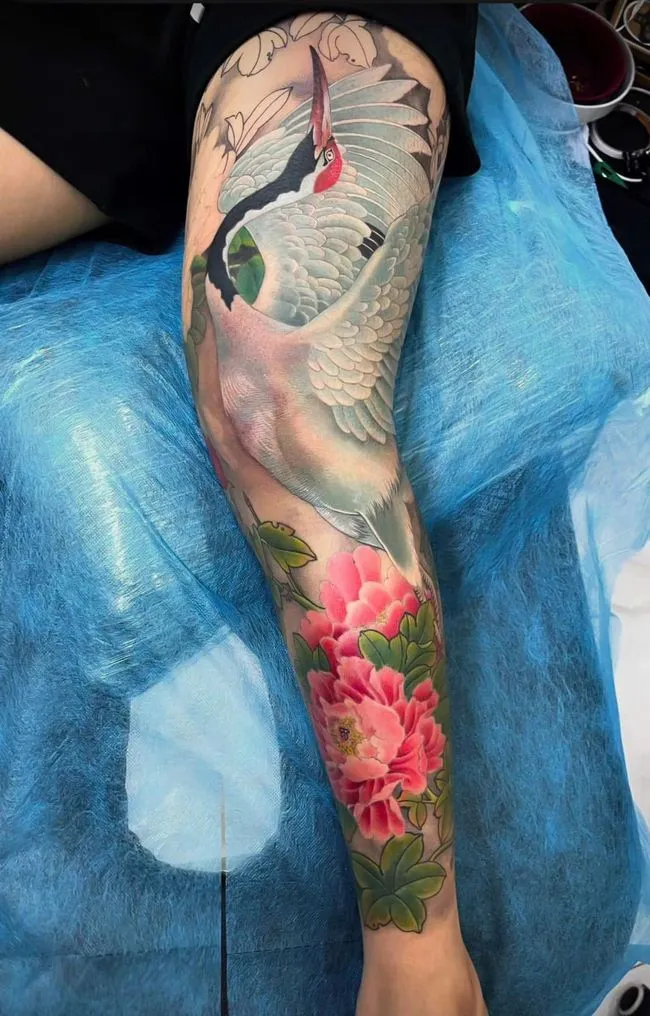
In most aftercare guides this doesn’t come up at all, because most aftercare guides are written for places where mosquitoes are a summer annoyance rather than a year-round fact of daily life. In Vietnam it’s a genuinely practical question: you’ve got fresh ink, you’re outside, and something is going to bite you. Here’s the honest version of what matters and what doesn’t.
A bite on a healing tattoo: the itch is the real problem
A mosquito bite landing on or beside a healing tattoo is not, by itself, a disaster — the bite is a shallow histamine reaction in the upper skin, and the ink sits deeper. What makes it a genuine problem is the itch, because a fresh tattoo is already itchy during the scabbing and peeling phase, and adding a bite on top of that makes scratching much harder to resist. Scratching is what actually causes damage: it can pull scabs off before they’re ready, which can lift pigment out with them and leave patchy spots that need touching up, and it introduces bacteria into skin that’s still an open wound.
So the goal is managing the itch without attacking the skin:
- Cold, not scratching. A cool (not freezing) compress over clean skin, or the back of a spoon chilled briefly, calms the histamine response without abrasion. Don’t rub.
- An oral antihistamine is the safer route than a topical one if the bite is on or immediately around fresh ink — it treats the itch systemically without putting an extra medicated cream onto healing skin that’s already got aftercare product on it.
- Keep your nails short and cover the area loosely while you sleep, since that’s when most accidental scratching happens.
- Anti-itch creams with hydrocortisone should stay off the tattoo itself. Around it is fine; on it, steroids on healing skin aren’t a great idea — ask your artist if you’re unsure.
Why bug spray shouldn’t go directly onto fresh ink
This is the part worth being clear about: don’t spray repellent directly onto a healing tattoo. DEET and picaridin are designed for intact skin. A fresh tattoo is an open wound for the first week or so, and putting an alcohol-based, solvent-heavy repellent onto broken skin is an irritant at best — stinging, redness, delayed healing — and it can also interfere with the aftercare layer that’s actually doing useful work.
The practical approach is to protect the area physically rather than chemically:
- Loose, breathable cotton over the tattoo is the single most effective thing, and it’s the same clothing advice that already makes sense in this climate for healing in Hanoi’s heat and humidity — long, loose sleeves or trousers do double duty against bites and sun.
- Apply repellent everywhere else, carefully avoiding the tattoo and the skin immediately around it. Spray onto your hands first and wipe it on, rather than spraying near fresh ink where overspray drifts.
- Deal with mosquitoes at the source where you’re sleeping — air conditioning, a fan, screens, or a net. Reducing exposure beats treating bites, and an AC room helps your tattoo for separate reasons anyway.
- Once the tattoo is fully healed — skin closed, no scabbing, no peeling — normal repellent use is fine.
Getting tattooed when you already have bites
If you turn up to your appointment with fresh bites in the exact area you’re planning to get tattooed, expect your artist to look at it carefully and possibly suggest waiting. That’s not fussiness: inflamed, swollen, histamine-reactive skin doesn’t take ink as evenly, it’s more sensitive to work on, and scratched-open bites are a break in the skin barrier in the precise spot that’s about to be tattooed. A bite or two well away from the placement is a non-issue. A cluster of scratched-raw bites right on the placement is worth rescheduling a few days for rather than accepting a patchy result.
Telling a bite reaction from an actual problem
Bites near fresh ink can genuinely muddy the picture when you’re trying to judge whether healing is going normally, so it helps to know which is which. A bite reaction is localized to an obvious raised bump, itches intensely, and settles down over a day or two. Things that are not a bite reaction: redness spreading outward across the tattoo, pain that increases rather than eases, warmth over a broad area, or pus rather than the normal clear-to-straw-colored plasma of early healing. If you’re seeing that second list, our guide to telling normal healing from infection covers what to do — and in Vietnam specifically, a bite that develops a spreading reaction alongside fever is worth getting looked at medically rather than self-assessing.
What to expect at GOAT Tattoo Studio
We’ll cover this as part of aftercare, because it’s a real part of healing here rather than a hypothetical — including what to use, what to keep off the tattoo, and how to protect the area while you’re out for the rest of your trip.
Related Guides
Ready to book your tattoo in Hanoi?
Send us your idea and preferred dates — we'll reply with a clear quote before you sit in the chair.
Book Now