 GOAT TATTOO
How Detailed Should Your Tattoo Reference Actually Be?
Published September 24, 2026
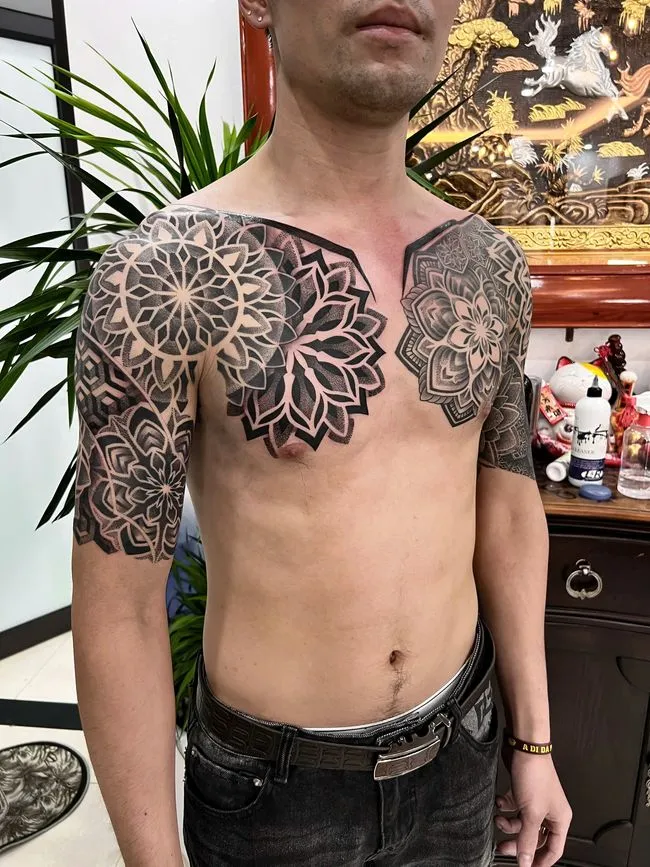
Somewhere between “I just want something cool” and mailing your artist a fully specced document before you’ve even met is a real, useful amount of preparation — and where exactly that line sits is worth actually thinking through. Bringing references is genuinely one of the best things you can do before a tattoo. Bringing too rigid a spec, on the other hand, can quietly work against you.
Why more reference generally helps
Vague requests are where miscommunication lives — a “phoenix, medium size, kind of colorful” leaves an artist guessing at exactly the details that determine whether you love the result. Clear reference images close that gap: they let your artist gauge scale, style, and complexity accurately, which also means a more accurate read on session length and price before you’re already in the chair. This is exactly the mismatch behind most “what I asked for vs. what I got” stories — not artists ignoring instructions, but instructions that were never specific enough to execute against in the first place.
Where extremely detailed prep can backfire
A tattoo isn’t a blueprint executed literally onto skin — it has to account for how a design actually sits on your specific body, how it moves with you, and how the composition flows with your anatomy rather than just being placed on top of it. An exhaustively locked spec, down to every line and exact placement measurement, leaves little room for that judgment, and can end up fighting against decisions your artist would otherwise make to help the piece actually work on you. It can also come across as an unusual level of pre-decided control before the artist has had any chance to weigh in — which isn’t a dealbreaker, but it does shift the working relationship in a way worth being aware of.
What good reference actually looks like
A handful of clear images that show style, mood, and the specific elements you care about — not a fully engineered technical document — tends to work best. Be explicit about the details that are genuinely non-negotiable for you (exact wording for lettering, a specific date, a particular color you want preserved) and stay open on the rest: composition, precise placement, how elements connect. That distinction — locked on what actually matters to you, flexible on everything else — is what separates useful preparation from an overly rigid spec.
How to signal you’re prepared without over-controlling
Bring your references, but explain why each one resonates with you, not just that it does — a reason your artist can design around is more useful than an image they’re expected to copy exactly. Ask what they’d actually propose based on what you’ve shown them, rather than handing over a finished plan and asking for literal execution. This keeps you genuinely informed and involved while leaving room for the expertise you’re paying for in the first place.
What to expect at GOAT Tattoo Studio
Bring whatever references you have — the more genuinely relevant, the better — to your consultation. We’ll walk through what you’ve brought, ask about the parts that matter most to you, and come back with a design that reflects both your input and our read on what will actually work on your body. If something in the first draft doesn’t land, asking for changes is always part of the normal process, not a failure of preparation on either side.
Related Guides
Ready to book your tattoo in Hanoi?
Send us your idea and preferred dates — we'll reply with a clear quote before you sit in the chair.
Book Now